Another model. Measured.
Which AI model to use for what, at what effort, and what it costs you in money or in subscription quota. Measured where we can, dated always, sourced every time.
Latest videoReport, read
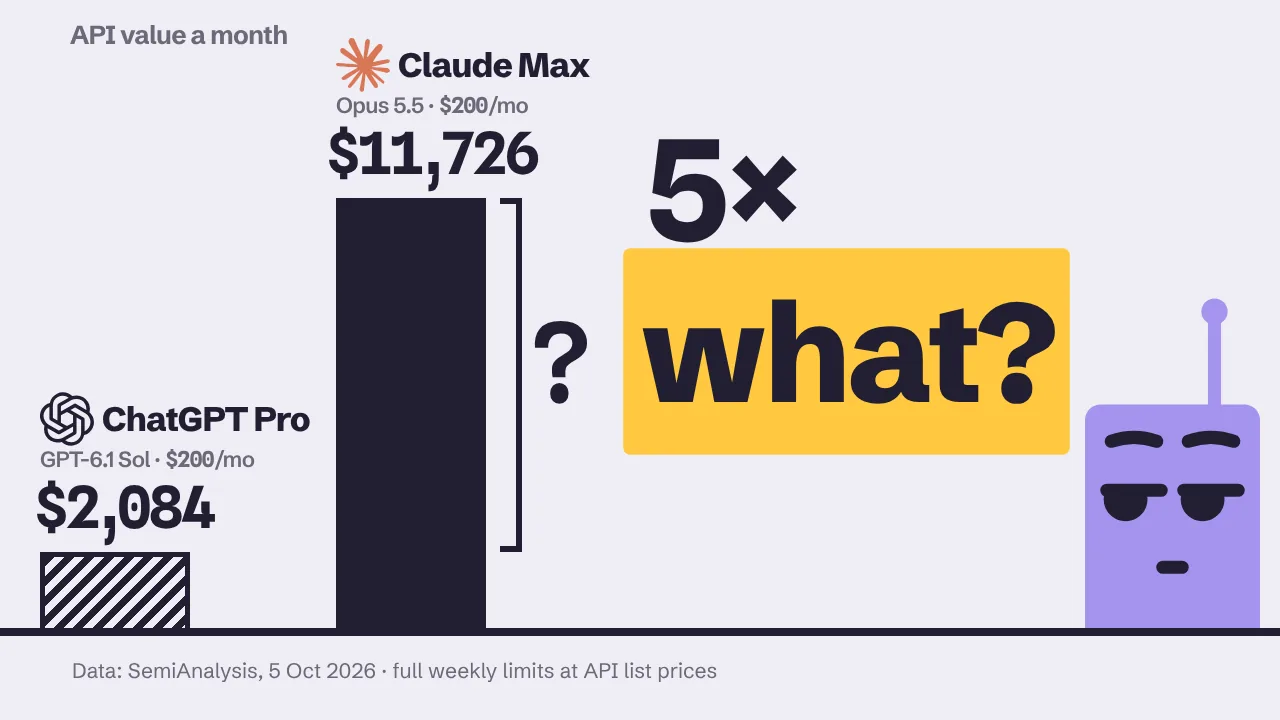
SemiAnalysis Priced a Maxed-Out Month of ChatGPT Pro vs Claude Max. WILD
In their report of 5 October 2026, SemiAnalysis measured the usage limits on ChatGPT's and Claude's plans and priced a full month of each at API list prices, for their own coding-agent workload. On the models each lab pitches for everyday use, Claude Max 20x comes to $11,726 a month on Opus 5.5 and ChatGPT Pro 200 to $2,084 on GPT-6.1 Sol. By our arithmetic the Claude plan holds 5.6× as much, and the gap is about the same on the $100 and $20 plans. Counted in tokens instead of dollars, it's 2.8×.
On the flagship models the two are close, with ChatGPT a little ahead: GPT-6 Astra comes to $2,897 on ChatGPT Pro 200 and Fable 5.1 to $2,485 on Claude Max 20x, where Fable may use only half of the weekly limit. OpenAI halved the tokens on its $200 plan on 29 September; subscribers who already had that plan then keep the old limits through 29 October.
The whole page: charts, every number, sourcesNewsSeptember 2026
Cloudflare releases Clef and Clef-flash, open-weight decision models that take Jev's requests
Its launch table puts Clef 14.5 points ahead of Jev on BANKING77, sorting bank customers' messages. Workers AI charges $0.240 per million input tokens for Clef and $0.090 for Clef-flash, against Jev's $0.042.
Source: Cloudflare, launch post for Clef and Clef-flash, read 2 Oct 2026, 15:31 CEST · our video
Gemini 4 Argon is announced, for cyber defenders first
It goes first to trusted cyber defenders in Google's Fairwind program, with paid API customers and Google AI Ultra subscribers next and no date given. The introductory price is $2 per million input tokens and $10 per million output tokens, then $4 and $20, the same as Opus 5.5.
Source: Google, Gemini 4 Argon: our next era of frontier intelligence (announcement, 30 Sep 2026), read 1 Oct 2026, 07:05 CEST · our video
GPT-6.1 Sol is out, at GPT-6 Sol's price for input and output
It costs $2 per million input tokens and $10 per million output tokens, and cached input drops to $0.10. OpenAI pitches it as close to GPT-6 Astra for a fifth of the price.
Source: OpenAI, Introducing GPT-6.1 Sol (launch post), read 29 Sep 2026, 22:10 CEST · our video
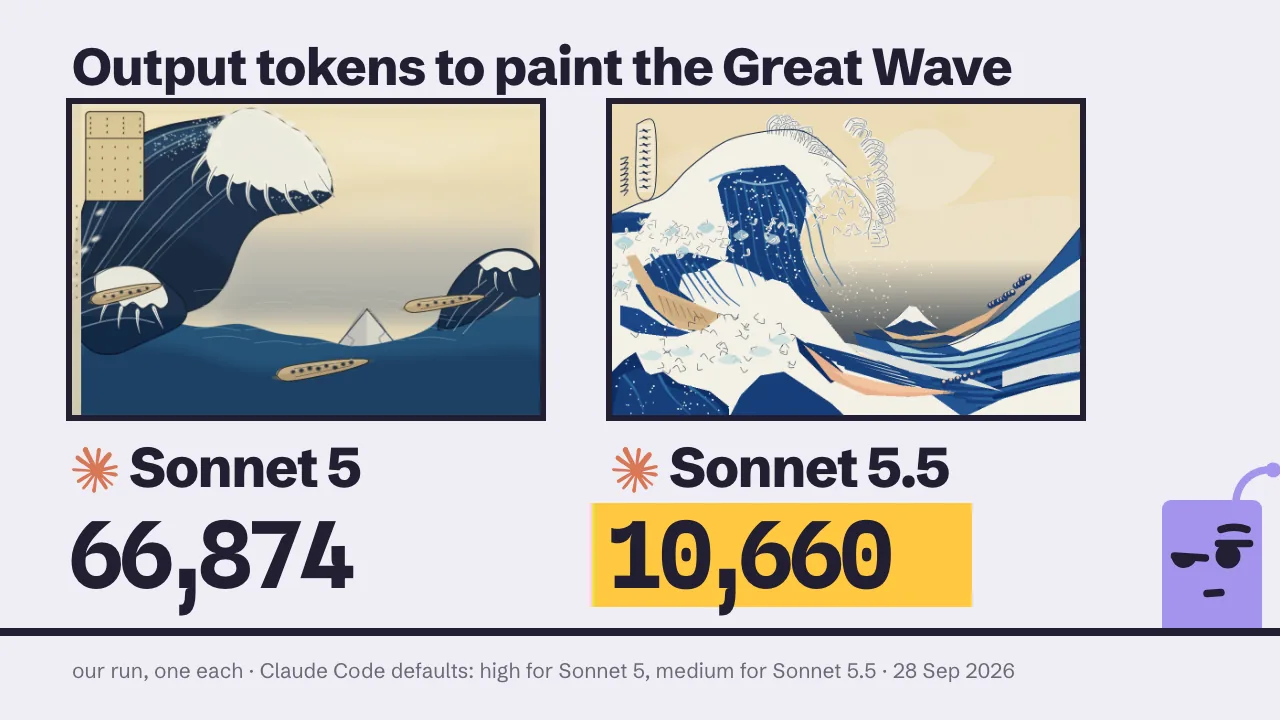
Claude Sonnet 5.5 is out, at Sonnet 5's price per token
It costs $2 per million input tokens and $10 per million output tokens. The Claude apps and Claude Code start it on medium effort, the API on high.
Source: Introducing Claude Sonnet 5.5 (launch page), read 28 Sep 2026, 21:17 CEST · our video
At max, Sonnet 5.5 writes more tokens per task than any model Artificial Analysis has measured
It used ~193k output tokens per Intelligence Index task. Artificial Analysis ran it on a pre-release deployment with a structured-output bug and says it will re-run.
Source: Artificial Analysis, launch article on Sonnet 5.5, read 28 Sep 2026, 21:19 CEST · our video
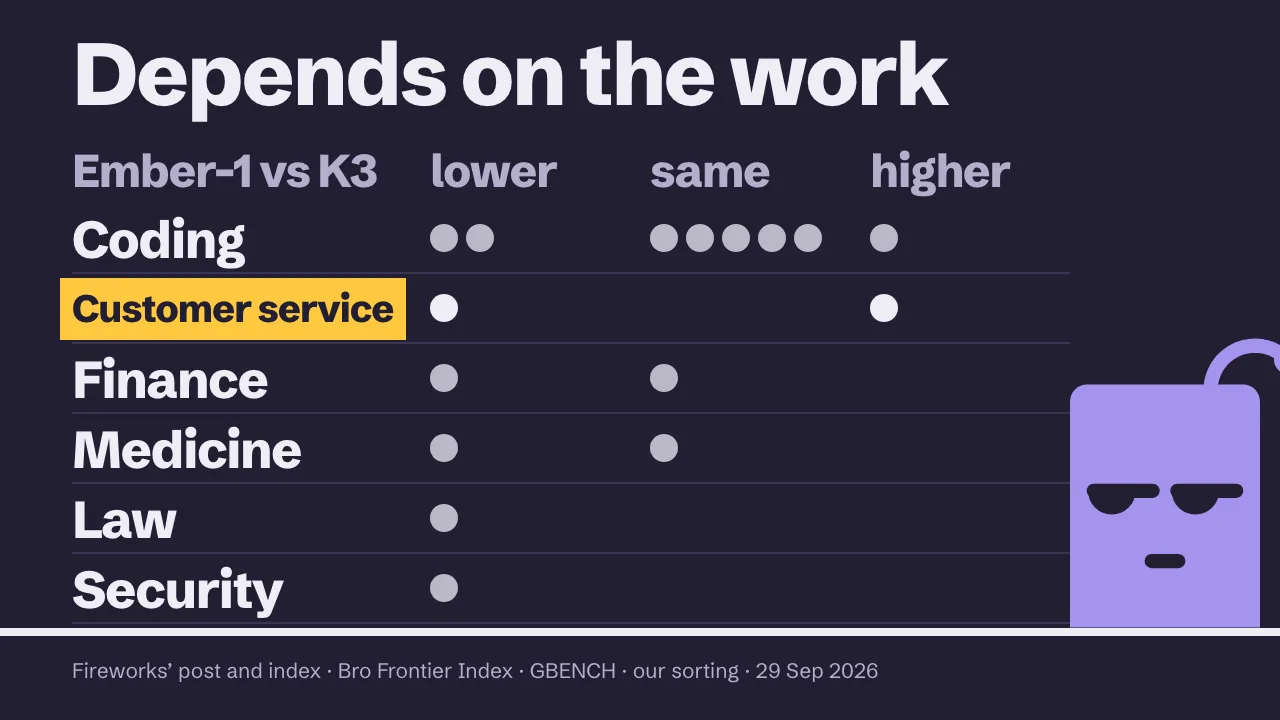
Ember-1: "half the tokens, same answers"
That's Fireworks' claim for its new model, from its launch post. Our video reads what's public about it so far.
Source: Fireworks, Introducing Ember-1, read 28 Sep 2026, 18:55 CEST · our video
Latest tableAPI value a month, everyday models
| plan price | ChatGPT, GPT-6.1 Sol | Claude, Opus 5.5 | Claude against ChatGPT |
|---|---|---|---|
| $200 | $2,084 | $11,726 | 5.6× |
| $100 | $1,055 | $5,725 | 5.4× |
| $20 | $211 | $1,178 | 5.6× |
SemiAnalysis, 5 October 2026: each plan's full monthly usage limit priced at API list prices, for their agentic workload. The ratios are our arithmetic.
By question
Every video answers one of four questions. They're listed here under the one they answer.
Which model
for…
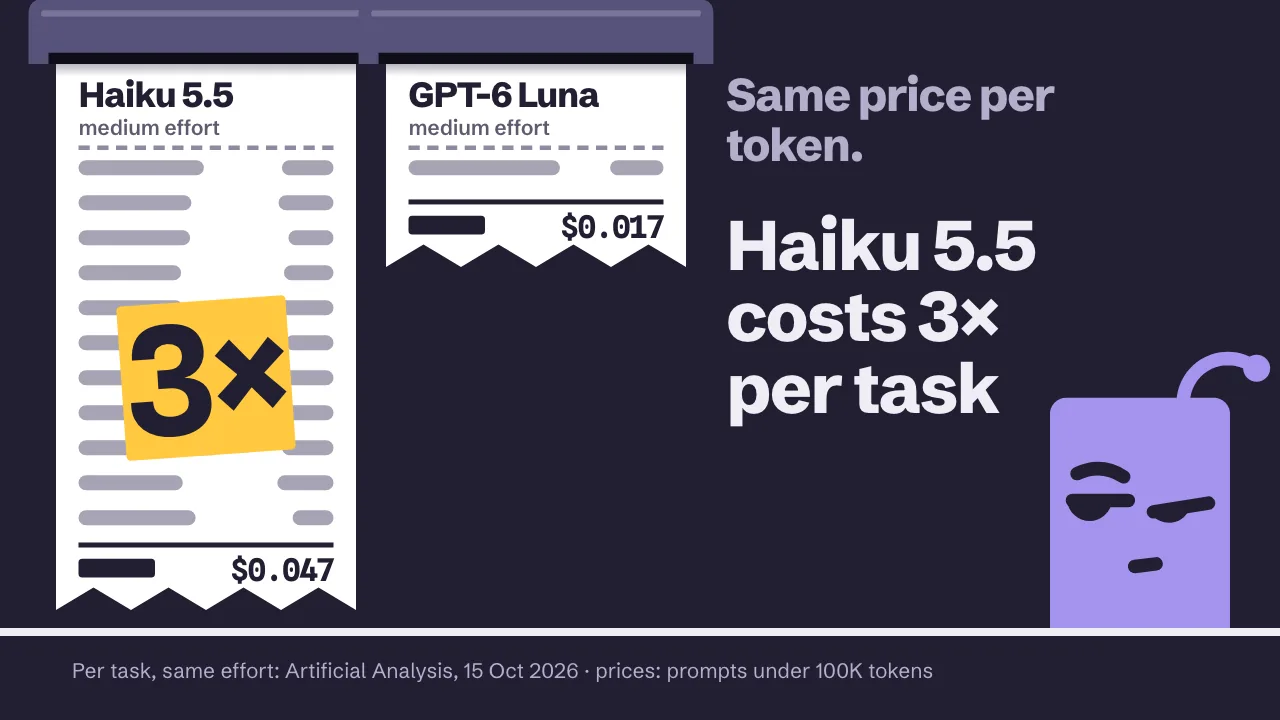
cheap work: Haiku 5.5 or GPT-6 Luna?
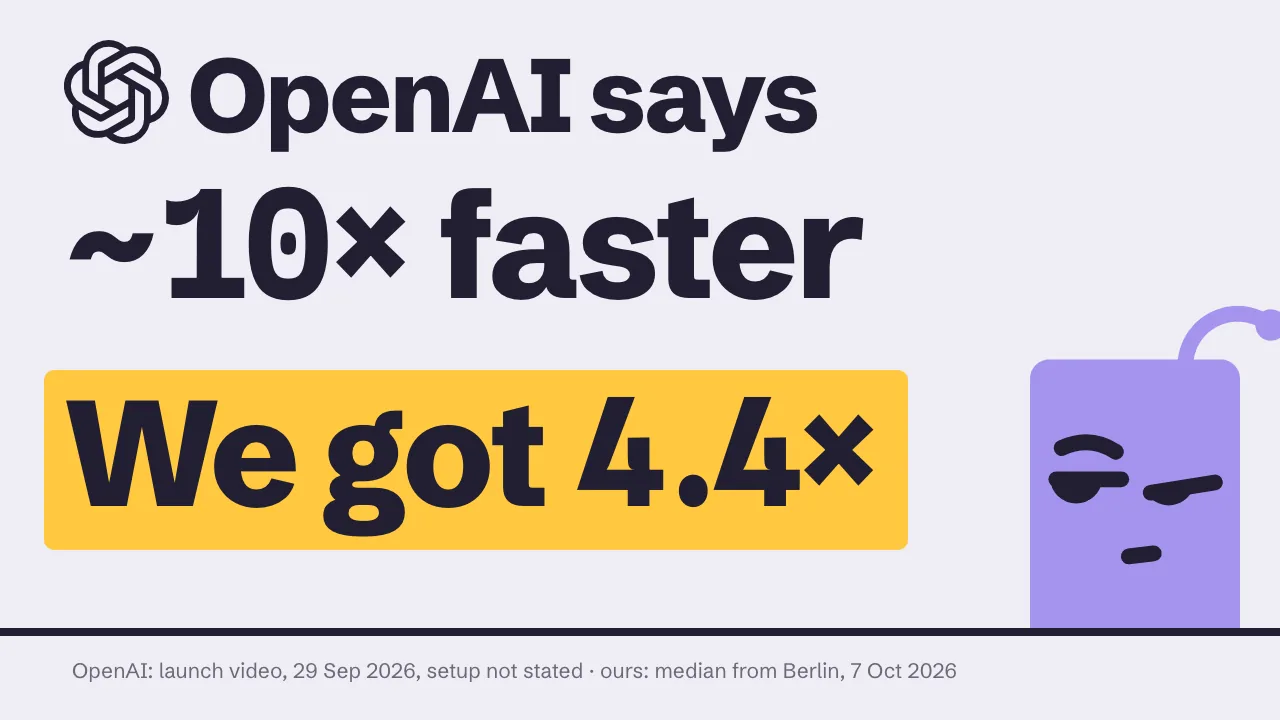
sorting messages: OpenAI's Decisions API, Jev or Clef-flash?
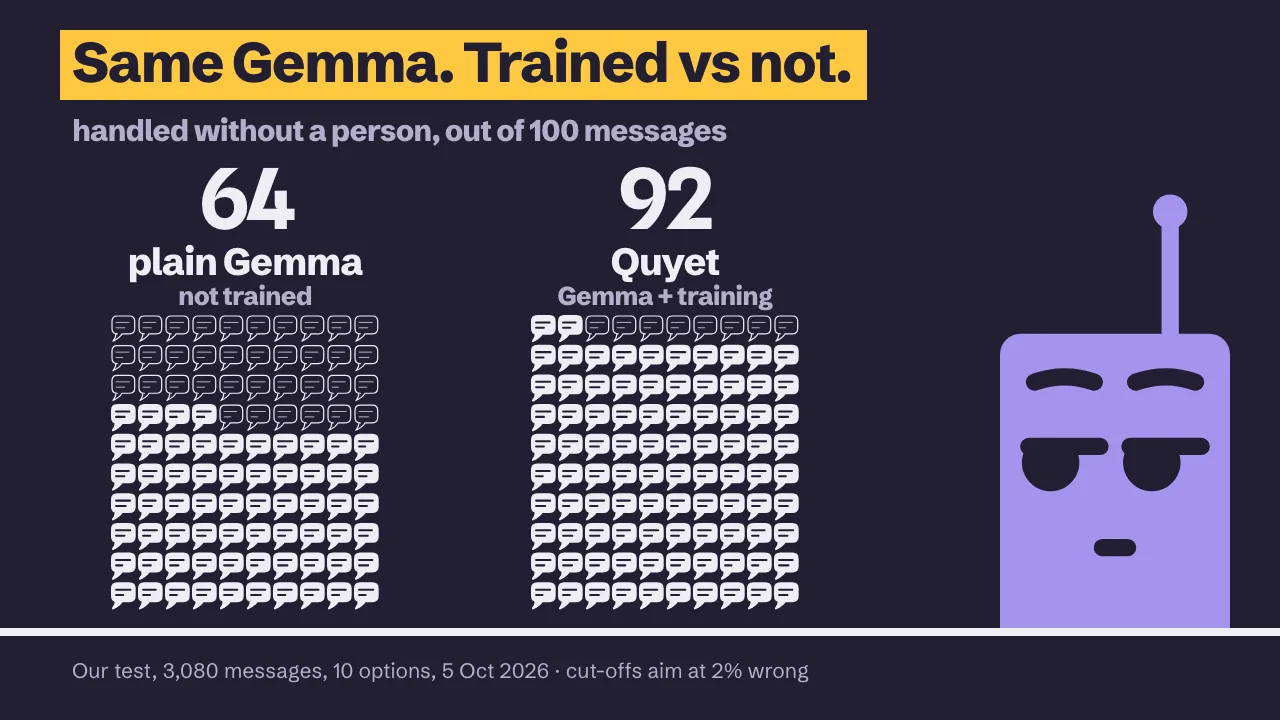
sorting messages: JevBench's new leader, Jev or Clef-Flash?
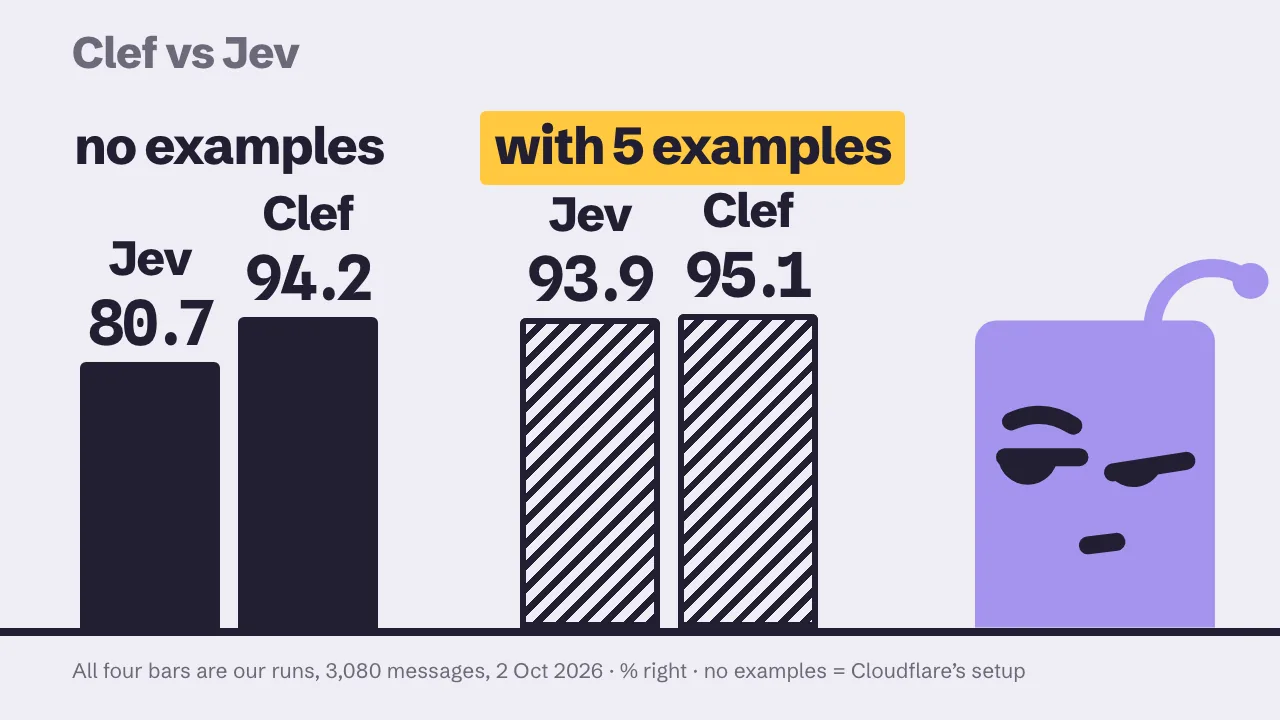
sorting messages: Clef, Clef-flash or Jev?
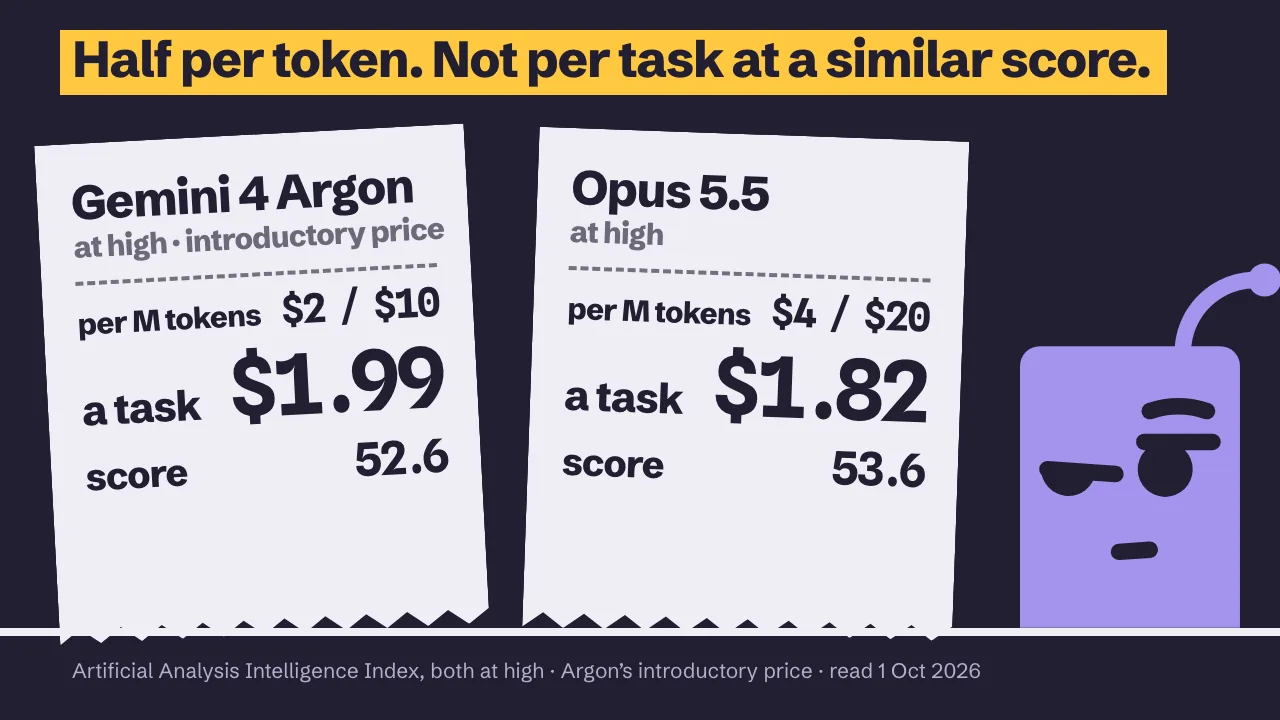
your work: Gemini 4 Argon or Opus 5.5?
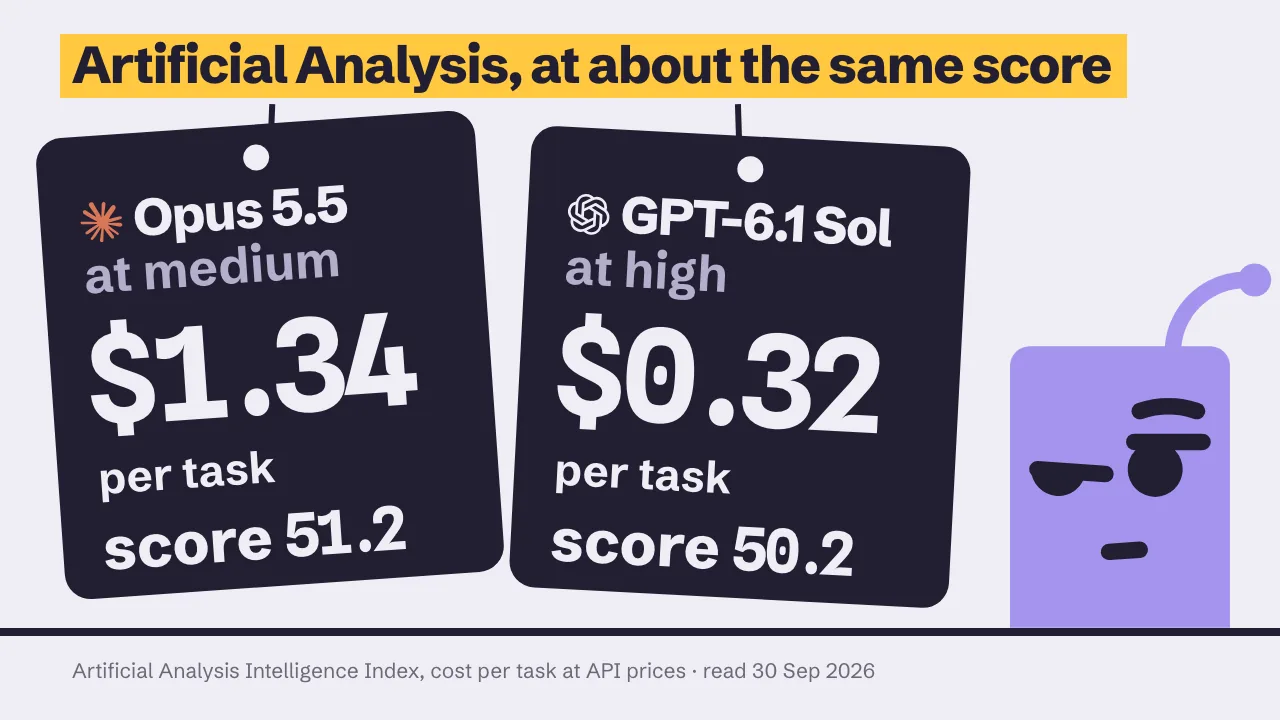
your work: GPT-6.1 Sol or Opus 5.5?
image edits now that Nano Banana 2 is deprecated: should you move to Nano Banana 2.1, and edit any differently?
the best score for the money, at every price?
which image model to use for edits that shouldn't touch the rest of the picture?
Fable 5.1 or Opus 5.5, and where is Fable worth its price?
classifying and routing: which decision model?
How much
effort…
should you run Sonnet 5.5 at?